Understanding pathogenic bacteria in water
Water is essential to life and is something we use daily. Unfortunately, water can also be a breeding ground for pathogenic bacteria, which can cause serious health problems. Pathogenic bacteria can contaminate both surface water and groundwater and enter our bodies through contaminated drinking water. In this blog post, we will explore the dangers of pathogenic bacteria in water and discuss the steps that can be taken to reduce the risk of exposure.
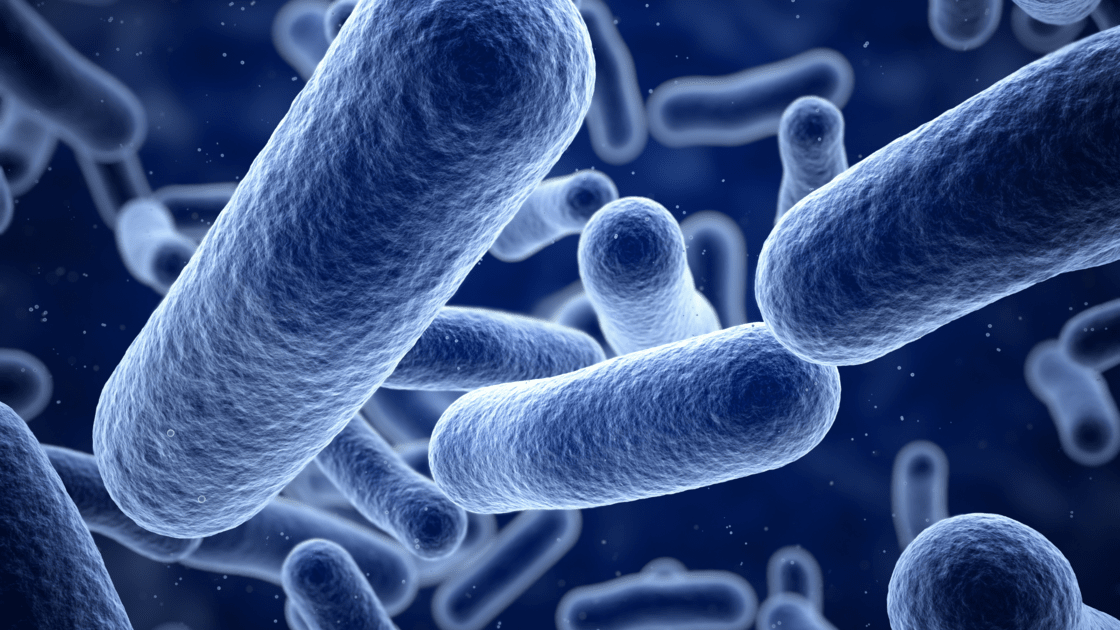
Pathogenic bacteria in water can pose a serious threat to public health. These bacteria can cause a variety of illnesses, including diarrhoea, fever, and vomiting. Pathogenic bacteria can be spread through contaminated drinking water, swimming pools, and other water sources. In addition, these bacteria can survive in a variety of environments, including hot, cold, and acidic water. Therefore, it is important to test for the presence of pathogenic bacteria in the water to ensure the safety of drinking water, swimming pools, and other water sources.
Common types of pathogenic bacteria found in water include E. coli, Salmonella, and Shigella. Therefore, it is important to take measures to reduce the presence of these bacteria in water. Chlorination and filtration are two effective methods for reducing the presence of pathogenic bacteria in water. Additionally, it is important to practise proper hygiene and sanitation to avoid the spread of these bacteria.
It is clear that pathogenic bacteria in water can be dangerous and should not be taken lightly. Therefore, testing for the presence of pathogenic bacteria and taking steps to reduce their presence in water is essential for protecting public health.
The risks associated with pathogenic bacteria in water
Pathogenic bacteria in water can cause serious health concerns. Potentially fatal waterborne illnesses, such as cholera, typhoid, and dysentery, can be caused by ingesting contaminated water. Symptoms of these illnesses can include gastrointestinal issues such as cramps, nausea, and vomiting.
Pathogenic bacteria can enter water sources through runoff from agricultural fields, sewage overflows and other contaminated sources. Certain bacteria, such as E. coli, can cause severe illnesses and even death in young children, the elderly and those with weakened immune systems. Furthermore, these bacteria can survive in water for long periods of time and can be difficult to detect without specialised equipment.
The only way to effectively kill most pathogenic bacteria in the water is by boiling or treating it with chemicals such as chlorine. This is why ensuring that all water, especially drinking water, is properly treated before consumption to reduce the risk of contracting waterborne illnesses is important. Utilising the services of water treatment experts like Albion Water Treatment is a safe way to ensure your facility’s water is safe for all.
Reducing exposure to pathogenic bacteria
Pathogenic bacteria, or bacteria that can cause disease can be present in water. To reduce the risk of becoming ill from consuming contaminated water, it is important to take measures to protect yourself and your family.
Regularly clean and disinfect your water containers and faucets to prevent bacteria from building up. Avoid drinking from streams, lakes, or other bodies of water as these are more likely to be contaminated. Boil water for at least one minute before drinking it. You can also use a water filter specifically designed to remove bacteria and other contaminants. Filtering all water that comes from a well or other private water supply is also important. If necessary, install a water softener to help reduce the risk of bacterial contamination.
It is also important to make sure all septic tanks are properly maintained to reduce the risk of contamination. Additionally, it is important to dispose of all hazardous materials properly to avoid contamination of water sources. Finally, have your water tested regularly to make sure it is safe to drink.
Following these steps can help protect yourself and your family from the dangers of pathogenic bacteria in water.
This may also interest you:
Improving Cooling Water Efficiency: Strategies for Optimising Performance
The Dangers of Legionella: What You Need to Know
Albion Water Treatment provides compliance in all aspects of water hygiene
Keep your water safe with Albion Water Treatment
At Albion Water Treatment, we understand the importance of keeping your water safe and clean. That’s why we employ a comprehensive, multi-step treatment process to remove pathogenic bacteria from your water. This process includes filtration, disinfection, and monitoring to ensure the water is safe for drinking and other uses.
We use a variety of technologies to detect and remove various types of bacteria, including E. coli and Salmonella. Our treatment process is designed to eliminate 99.99% of all bacteria, making it one of the most effective treatments currently available.
At Albion Water Treatment, we strive to provide the highest water safety and treatment quality. In addition to our bacteria removal process, we offer a range of other services, including water testing and treatment system maintenance, to ensure your water is always safe.
We take pride in providing our customers with a safe, clean water supply, and we are committed to using the best technology and processes to ensure your water is safe and healthy. With Albion Water Treatment, you can trust that your water is being treated to the highest standards.